 English
 Español

Introduction to Industrial Test Weights
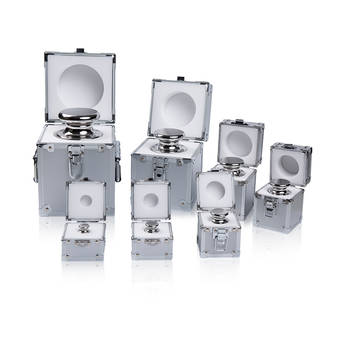
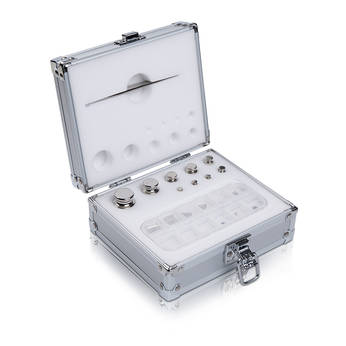
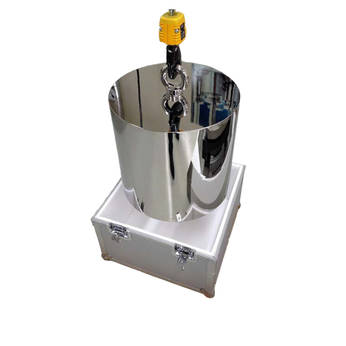
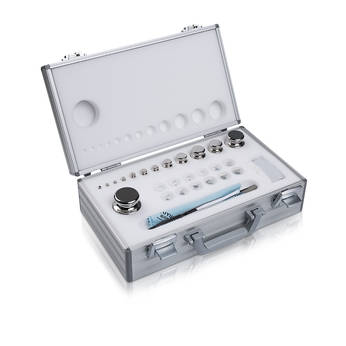
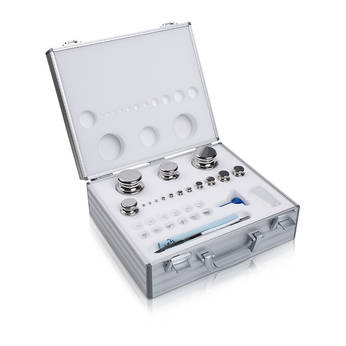
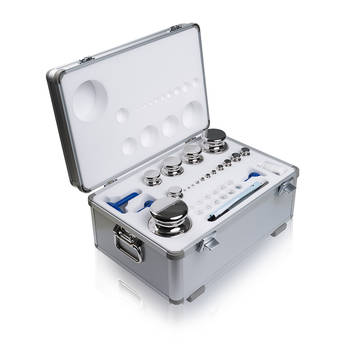
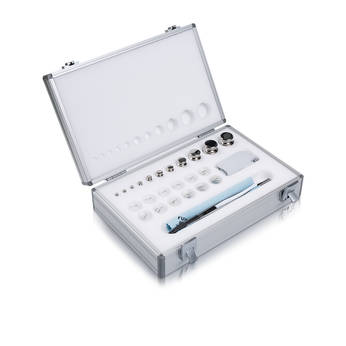
Industrial test weights are precision instruments used for calibration, verification, and testing of weighing equipment across various industries. These standardized weights ensure the accuracy and reliability of scales, balances, and other measuring devices that are critical for quality control, trade, and industrial processes. Test weights come in different classes, materials, and configurations to meet specific application requirements in sectors ranging from pharmaceuticals to heavy manufacturing.
Classification of Industrial Test Weights
1. OIML Classes
The International Organization of Legal Metrology (OIML) classifies test weights into several categories:
Class E1: Ultra-high precision weights with the tightest tolerances, used as reference standards
Class E2: High-precision weights for calibrating analytical balances and laboratory equipment
Class F1: General precision weights for industrial and commercial applications
Class F2: Standard weights for routine testing and verification
Class M1: Economical weights for general industrial use
Class M2: Rough tolerance weights for heavy industrial applications
Class M3: Lowest precision weights for basic verification
2. ASTM Classes
The American Society for Testing and Materials (ASTM) classification system:
Class 0: Laboratory reference standards
Class 1: Precision analytical weights
Class 2: High-quality industrial weights
Class 3: General purpose industrial weights
Class 4: Rough industrial weights
Class 5: Field testing weights
Class 6: Commercial weights for legal-for-trade applications
Materials Used in Industrial Test Weights
1. Stainless Steel
Most common material for high-precision weights
Grades 304 and 316 offer excellent corrosion resistance
Non-magnetic properties important for sensitive applications
Durable and easy to clean
2. Cast Iron
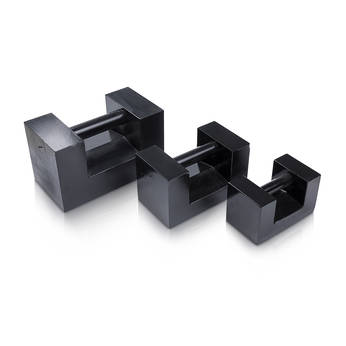
Cost-effective solution for large capacity weights
Typically used for weights above 50 kg
Requires protective coating to prevent rust
Commonly used in truck scales and industrial platforms
3. Brass
Used for mid-range precision weights
Naturally corrosion-resistant
More economical than stainless steel
Often used in jewelry scales and pharmaceutical applications
4. Aluminum
Lightweight alternative for portable test sets
Used where weight portability is important
Less durable than stainless steel
Prone to surface oxidation
5. Chrome-Plated Steel
Combines durability with corrosion resistance
More affordable than solid stainless steel
Plating can wear over time with heavy use
Types of Industrial Test Weights
1. Solid Weights
Single-piece construction
Highest accuracy and stability
Used for reference standards and high-precision applications
Typically made from stainless steel or brass
2. Stackable Weights
Designed with interlocking features
Space-saving storage and transportation
Common in weight sets for field calibration
May have slightly higher tolerances than solid weights
3. Cylindrical Weights
Standard shape for laboratory and industrial use
Often include lifting handles for heavy weights
Uniform design for consistent handling
4. Slotted Weights
Used with mechanical balance scales
Feature center holes for placement on hangers
Traditional design still used in some laboratories
5. Custom Configuration Weights
Designed for specific equipment or applications
May include special lifting attachments
Often used for large capacity scales
Applications of Industrial Test Weights
1. Scale Calibration
Regular verification of weighing equipment accuracy
Required for compliance with quality standards
Performed at scheduled intervals or after equipment servicing
2. Legal Metrology
Verification of commercial scales for trade
Ensures compliance with weights and measures regulations
Required for scales used in retail, shipping, and other commercial transactions
3. Quality Control
Verification of production line weighing systems
Ensures consistent product weights in manufacturing
Critical for packaged goods and pharmaceutical production

4. Laboratory Certification
Calibration of analytical balances
Required for accredited testing laboratories
Ensures accuracy of scientific measurements
5. Industrial Process Control
Verification of batch weighing systems
Monitoring of continuous weighing processes
Essential for material blending and formulation
Selection Criteria for Industrial Test Weights
1. Accuracy Requirements
Match weight class to application needs
Consider regulatory requirements
Account for measurement uncertainty
2. Capacity Needs
Determine maximum weight requirements
Consider incremental steps needed
Plan for future expansion
3. Environmental Factors
Corrosion resistance for harsh environments
Temperature stability requirements
Cleanability for food/pharmaceutical use
4. Handling Considerations
Weight of individual pieces
Lifting and transportation requirements
Storage space limitations
5. Budget Constraints
Initial purchase cost
Long-term maintenance requirements
Expected service life
Maintenance and Handling of Test Weights
1. Proper Storage
Use dedicated weight cabinets
Maintain stable temperature and humidity
Protect from dust and contamination
2. Cleaning Procedures
Use appropriate cleaning methods
Avoid abrasive materials
Dry thoroughly after cleaning
3. Handling Practices
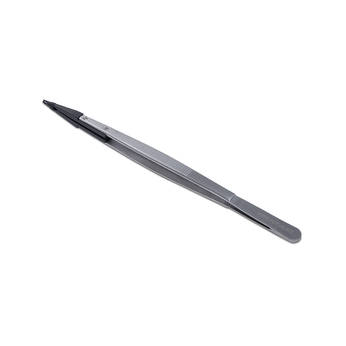
Use gloves to prevent contamination
Employ proper lifting techniques
Avoid dropping or impacting weights
4. Regular Verification
Periodic recalibration
Surface inspection for damage
Magnetic property testing
5. Documentation
Maintain calibration records
Track usage history
Document environmental conditions
Emerging Trends in Test Weight Technology
1. Smart Weights
Embedded RFID tags for tracking
Integrated temperature sensors
Automated calibration recording
2. Advanced Materials
New alloys with improved stability
Composite materials for special applications
Enhanced surface treatments
3. Modular Systems
Interchangeable weight components
Flexible configuration options
Rapid deployment solutions
4. Automated Calibration
Robotic weight handling systems
Computer-controlled verification
Integrated data management
Industrial test weights remain essential tools for ensuring measurement accuracy across countless industries. From ultra-precision laboratory standards to rugged field testing sets, the proper selection and use of test weights directly impacts product quality, regulatory compliance, and operational efficiency. As measurement requirements continue to evolve, test weight technology advances to meet new challenges while maintaining the fundamental principles of mass standardization. Understanding the various types, applications, and maintenance requirements of industrial test weights enables organizations to implement effective measurement assurance programs that support their quality objectives.