 English
 Español

Calibrated Test Weights: Accuracy Classes, Traceability, and How to Choose
A quality engineer walks into the QC laboratory and sees an auditor holding a 1 kg test weight. The...
Read More
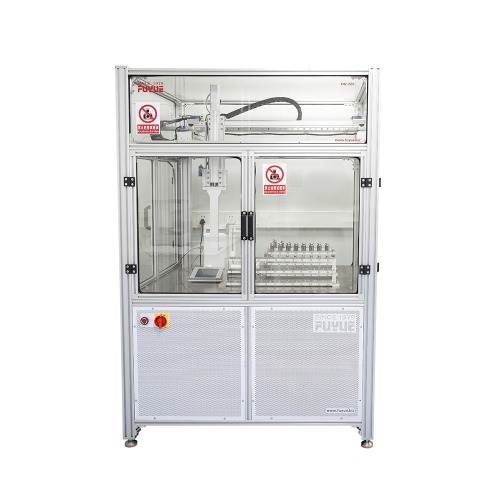
A quality engineer walks into the QC laboratory and sees an auditor holding a 1 kg test weight. The...
Read More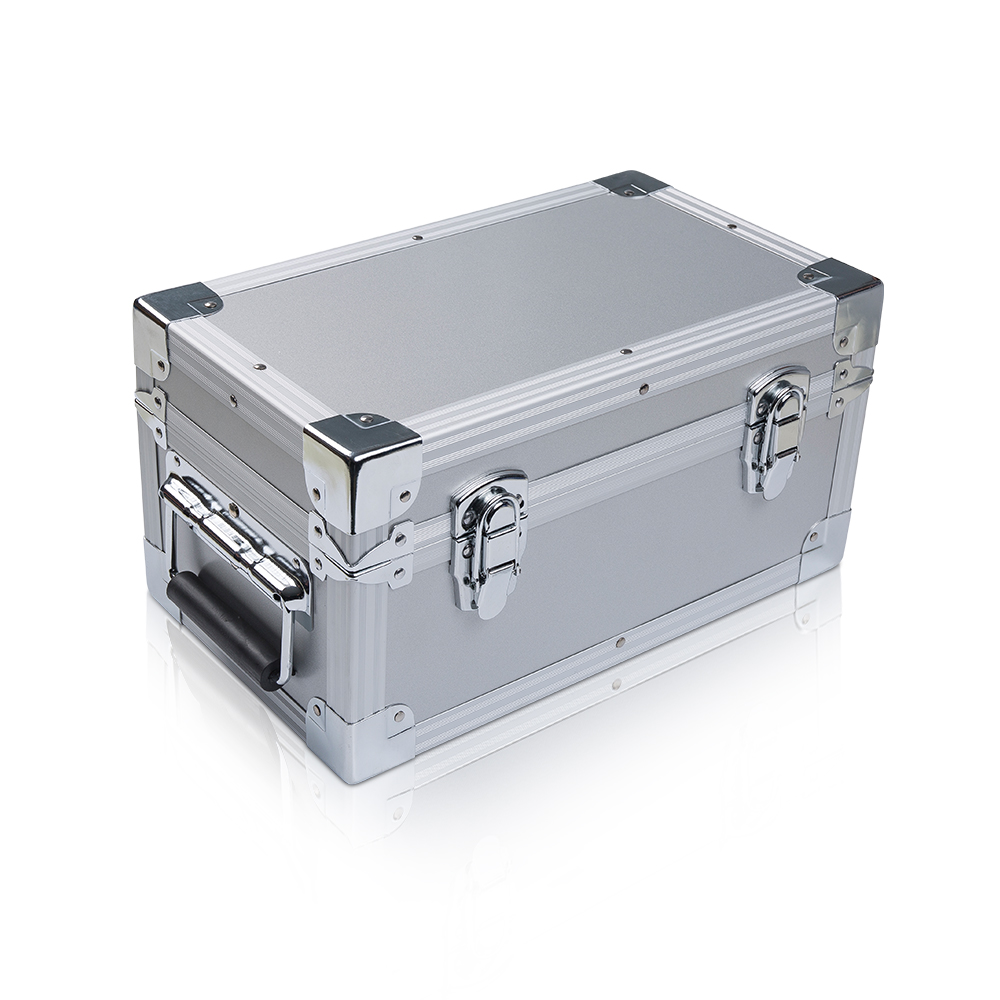
A balance scale for measuring mass is only as reliable as the reference weights used with it. You c...
Read More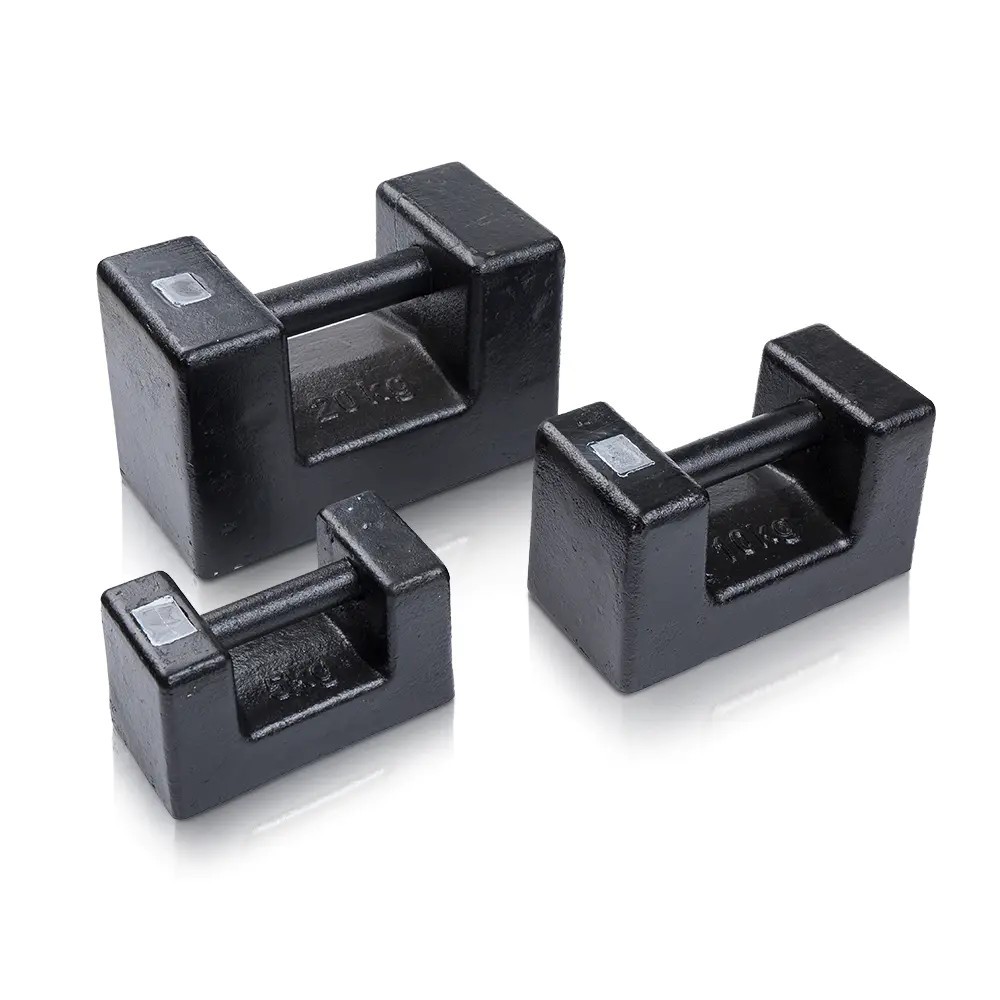
A balance in a pharmaceutical QC laboratory starts reading 0.2 mg high on a 100 g reference check. ...
Read More
A pharmaceutical QC analyst places a fresh 200 g analytical balance on the bench. The first sample ...
Read More
Picture a laboratory technician checking a 0.1 mg analytical balance. The display drifts between 10...
Read More
A pharmaceutical quality control laboratory notices a 100 g reference balance drifting by almost a ...
Read More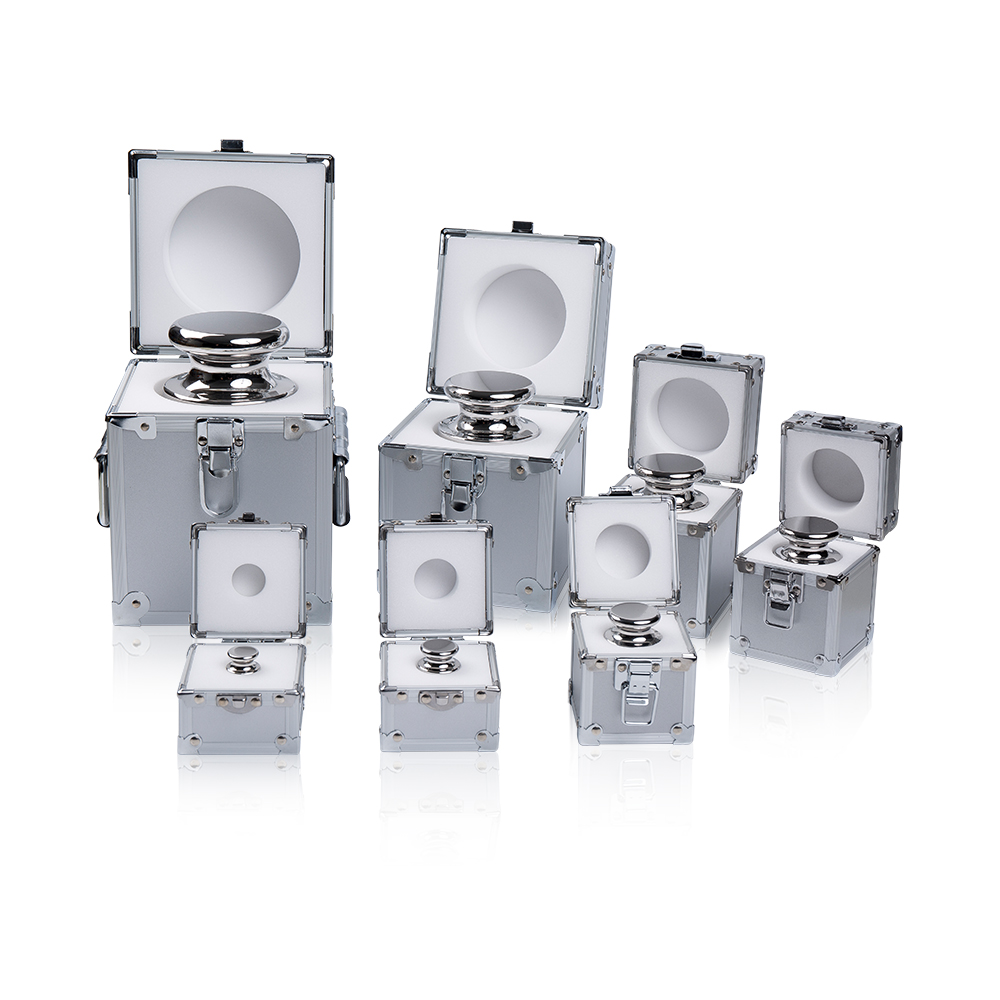
What a Gram Scale Reading Actually Means You set the container on the pan, the display settles, and...
Read More
Primary Function and Critical Role of Test Weights Test weights are precision-mass artifacts used t...
Read More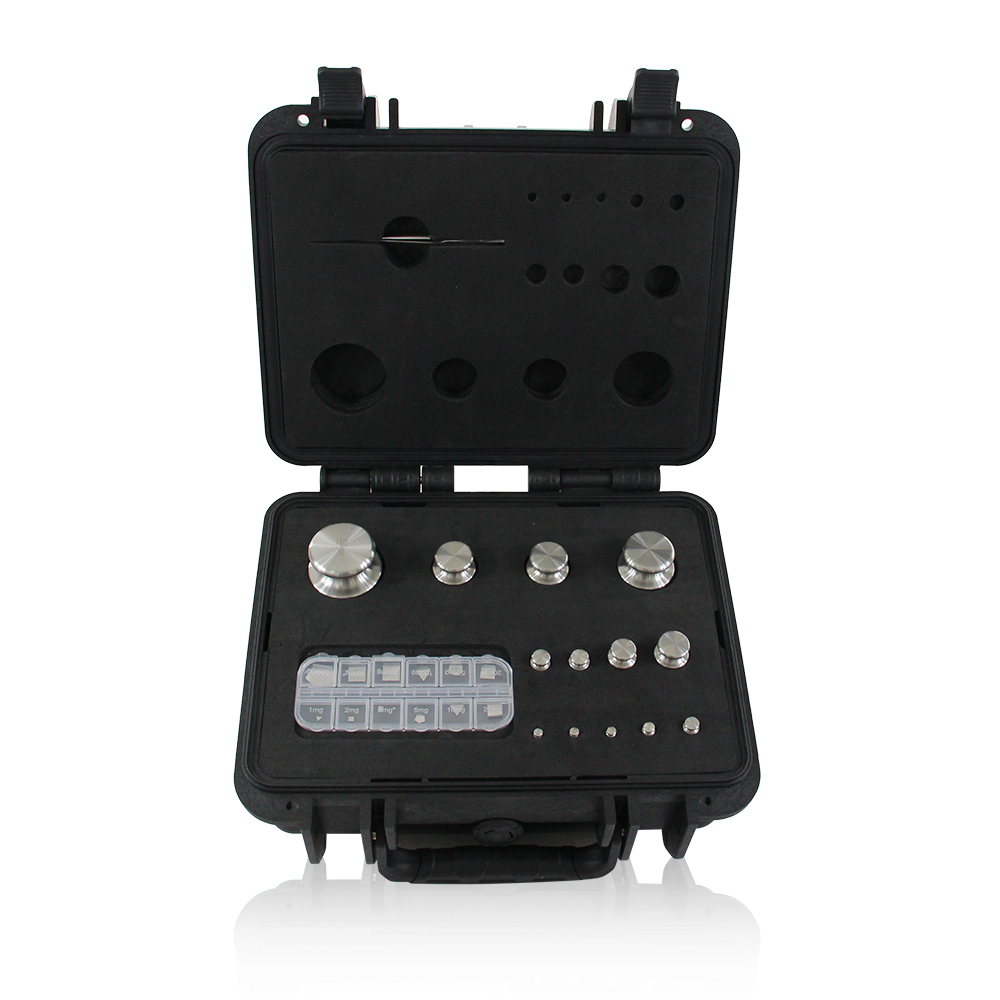
Understanding Certified Calibration Weights Certified calibration weights are metrological standard...
Read More
The Critical Role of Calibration and Testing Machines Calibration and testing machines are the back...
Read More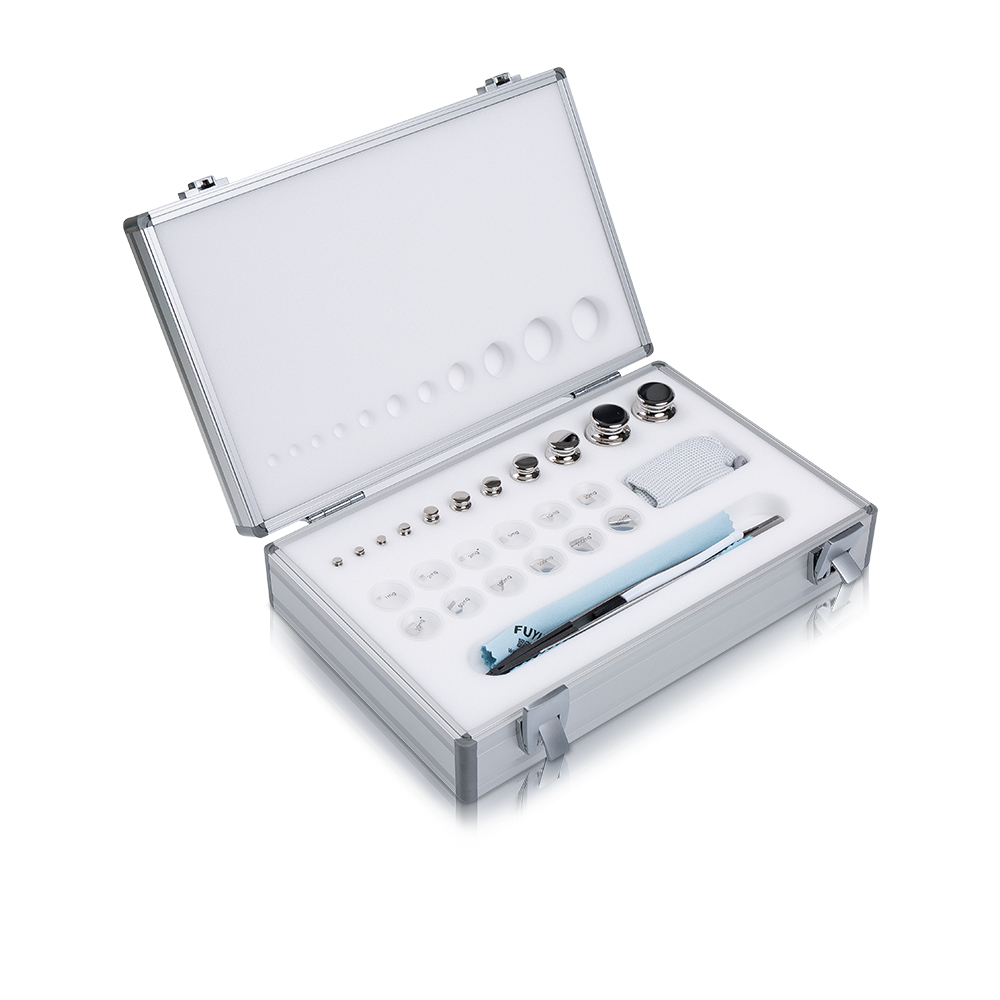
Defining E1 and E2 Weight Classes E1 Test Weights and E2 are accuracy classes for reference weights...
Read More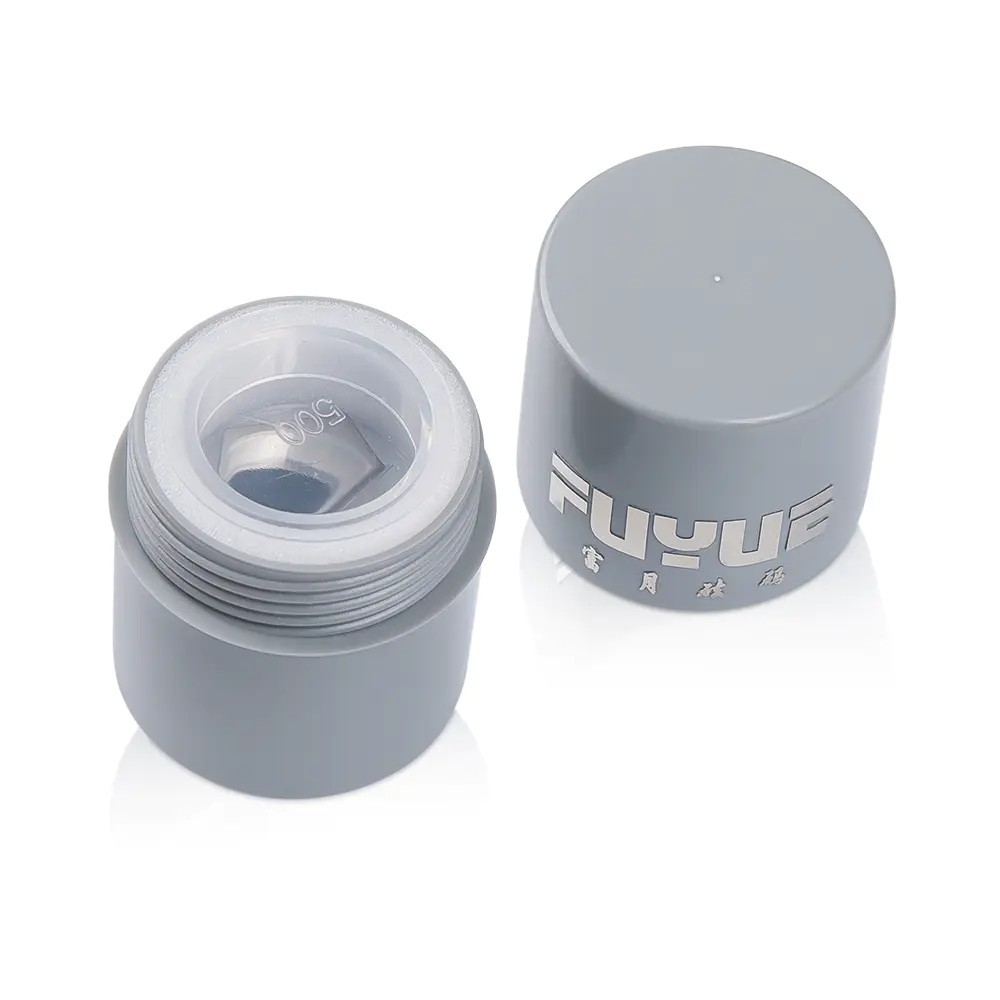
The Critical Role of Precision in Calibration Test weights for calibration are the fundamental refe...
Read More+86-15061108219
95# North Construct Road, Choumou, Bieqiao Town, Liyang City, Jiangsu Province, China.
Copyright © Changzhou Fuyue Weight Co., Ltd. All Rights Reserved. OIML Calibration Weights Manufacturers ASTM Weights Suppliers


